

Why Wick Choice Matters: Bamboo Pulp Fiber Wicks vs. Cotton and Other Wick Materials
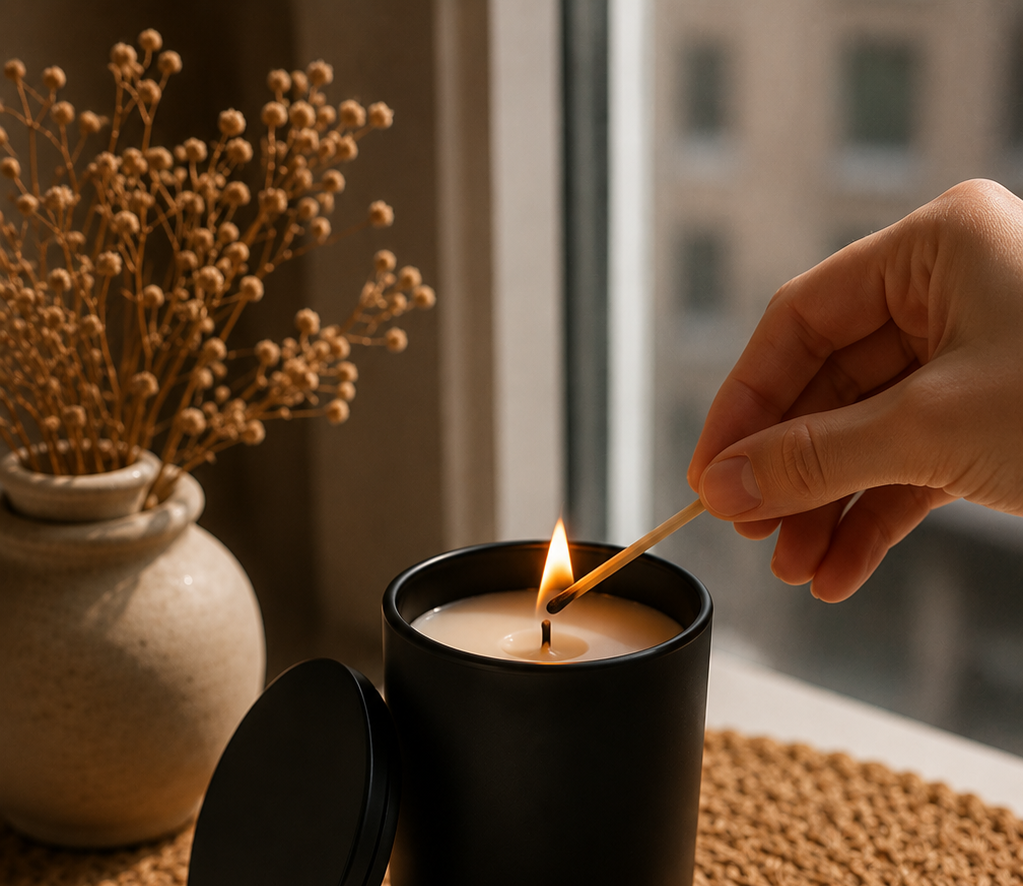
When choosing a candle, it's easy to focus on the fragrance, the vessel, or the color of the wax. While these elements certainly contribute to the experience, one of the most important components of any candle is often the one people overlook—the wick.
A candle wick does much more than hold a flame. It controls how the candle burns, how efficiently the wax melts, how fragrance is released, and even how long your candle lasts. We thoughtfully chose bamboo pulp fiber wicks because they provide a beautiful burning experience that complements our natural soy wax candles.
Let's take a closer look at why wick selection matters and what makes bamboo pulp fiber wicks a wonderful choice.
The Role of a Candle Wick
Think of the wick as the heart of your candle. Rather than simply burning itself, the wick draws melted wax upward through tiny fibers using capillary action. That wax then becomes the fuel for the flame. A properly designed wick helps create:
A steady, even flame
A full melt pool
Better fragrance throw
Cleaner burning
Longer candle life
Reduced tunneling
Even the highest-quality wax and fragrance oils cannot perform well if paired with the wrong wick.
What Are Bamboo Pulp Fiber Wicks?
Despite the name, bamboo pulp fiber wicks are not solid bamboo sticks. Instead, they're created from processed bamboo fibers that are woven or braided into a flexible wick. These renewable plant fibers create a stable burn while pairing exceptionally well with natural soy wax.
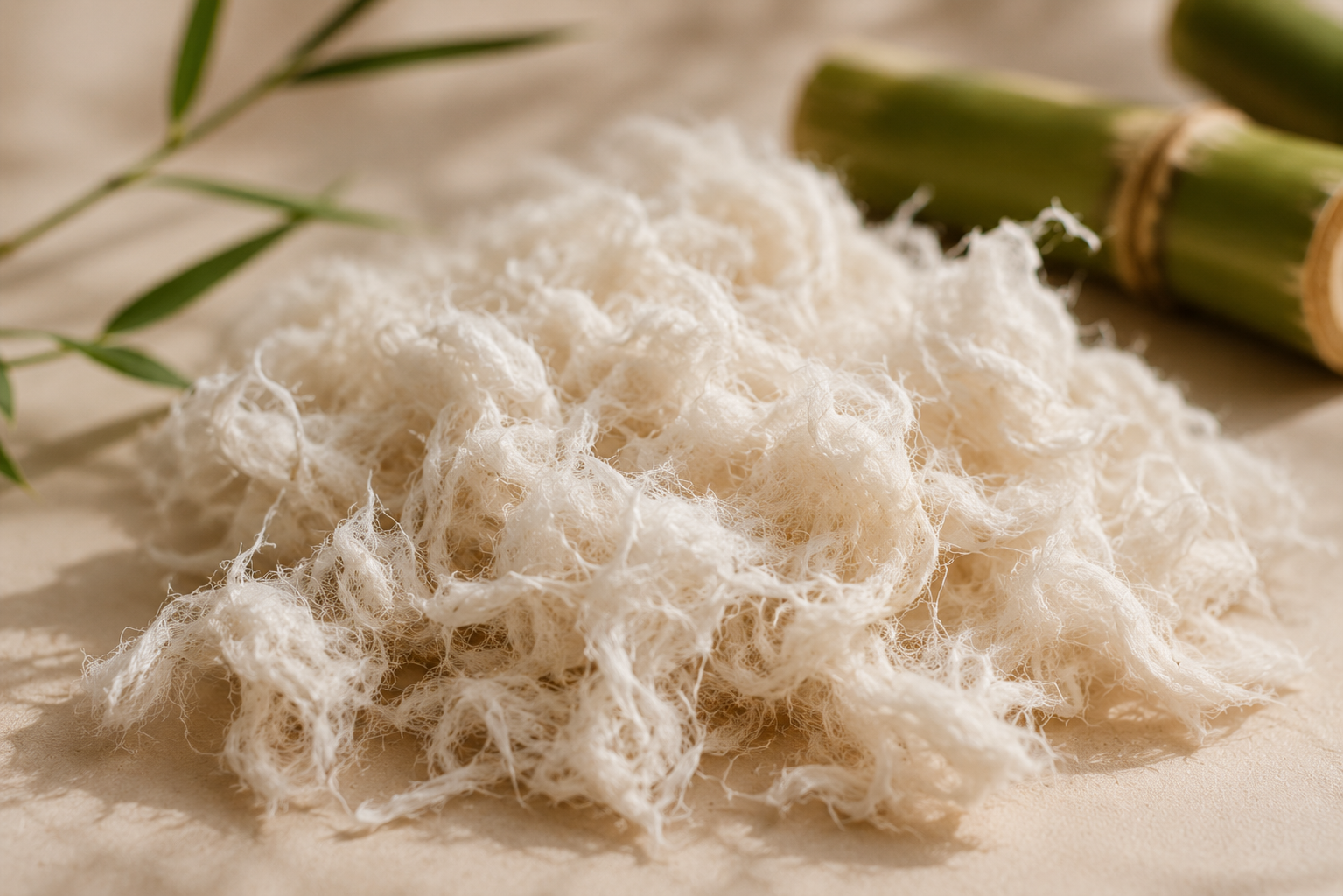
Because bamboo is one of the fastest-growing renewable plants in the world, bamboo pulp fibers are considered a more sustainable alternative to many traditional materials.
Bamboo Pulp Fiber vs. Cotton Wicks
Both bamboo pulp fiber and cotton wicks can produce excellent candles, but they offer slightly different experiences. Bamboo pulp fiber wicks are designed to promote an even melt across the candle's surface. This helps reduce tunneling and allows more of the wax to be used before the candle reaches the end of its life. Natural soy wax burns differently than paraffin wax. Bamboo pulp fiber wicks pair especially well with soy because they help maintain a consistent flame while supporting an even wax melt. Many candle lovers appreciate the steady, elegant flame that bamboo fiber wicks produce. The flame tends to remain stable throughout the burn when properly maintained.
Since bamboo grows quickly and requires relatively few resources, bamboo-derived fibers offer an environmentally conscious choice for those looking to reduce their environmental impact.
Cotton Wicks
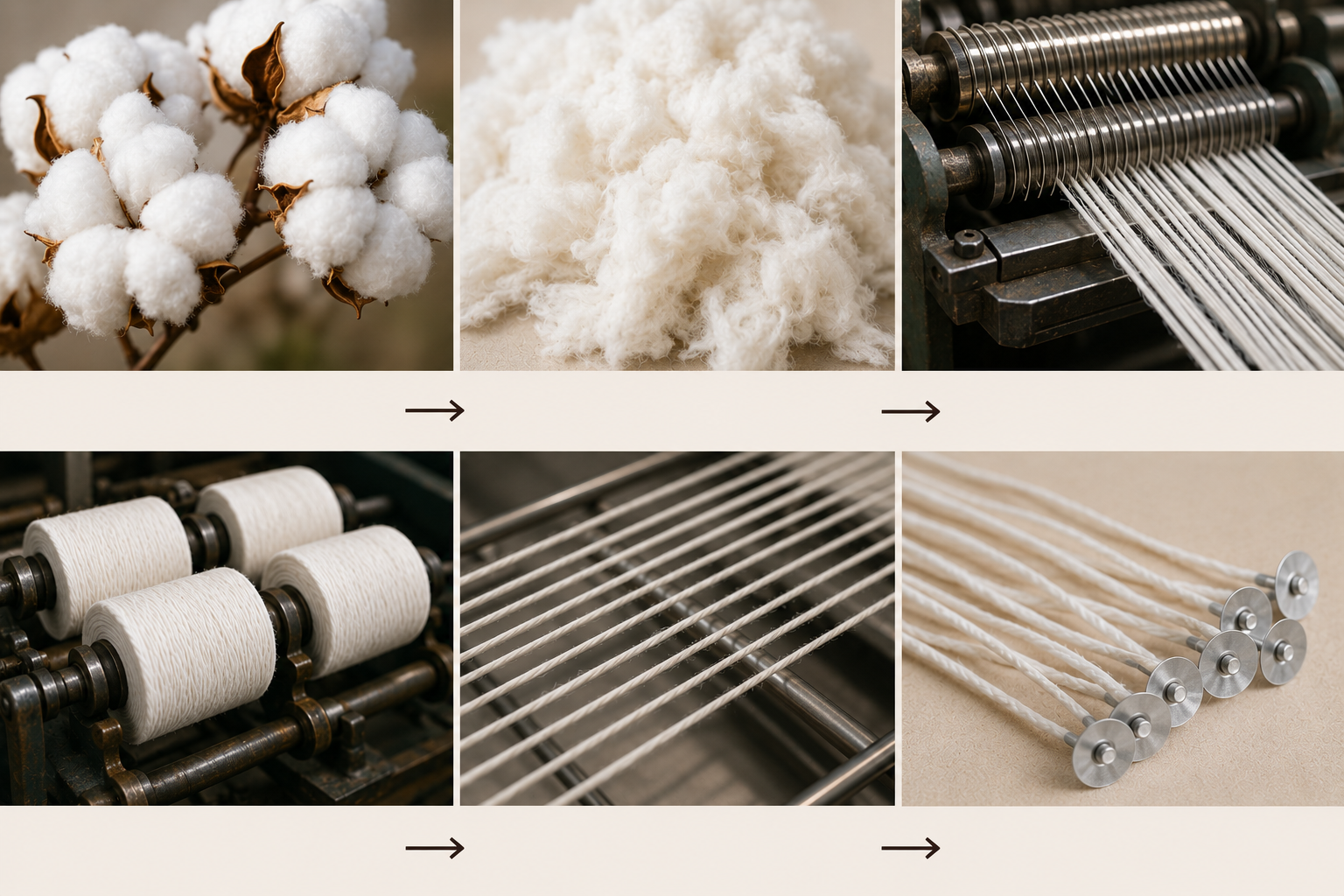
While cotton is a natural and biodegradable material, conventional cotton farming can require significant water, land, and agricultural inputs. We chose bamboo pulp fiber wicks because bamboo is a rapidly renewable resource that aligns with our commitment to thoughtful craftsmanship and sustainability. Cotton remains one of the most common wick materials in the candle industry. High-quality cotton wicks can certainly produce beautiful candles, but performance depends heavily on proper sizing and construction.
Bamboo Pulp Fiber vs. Wooden Wicks
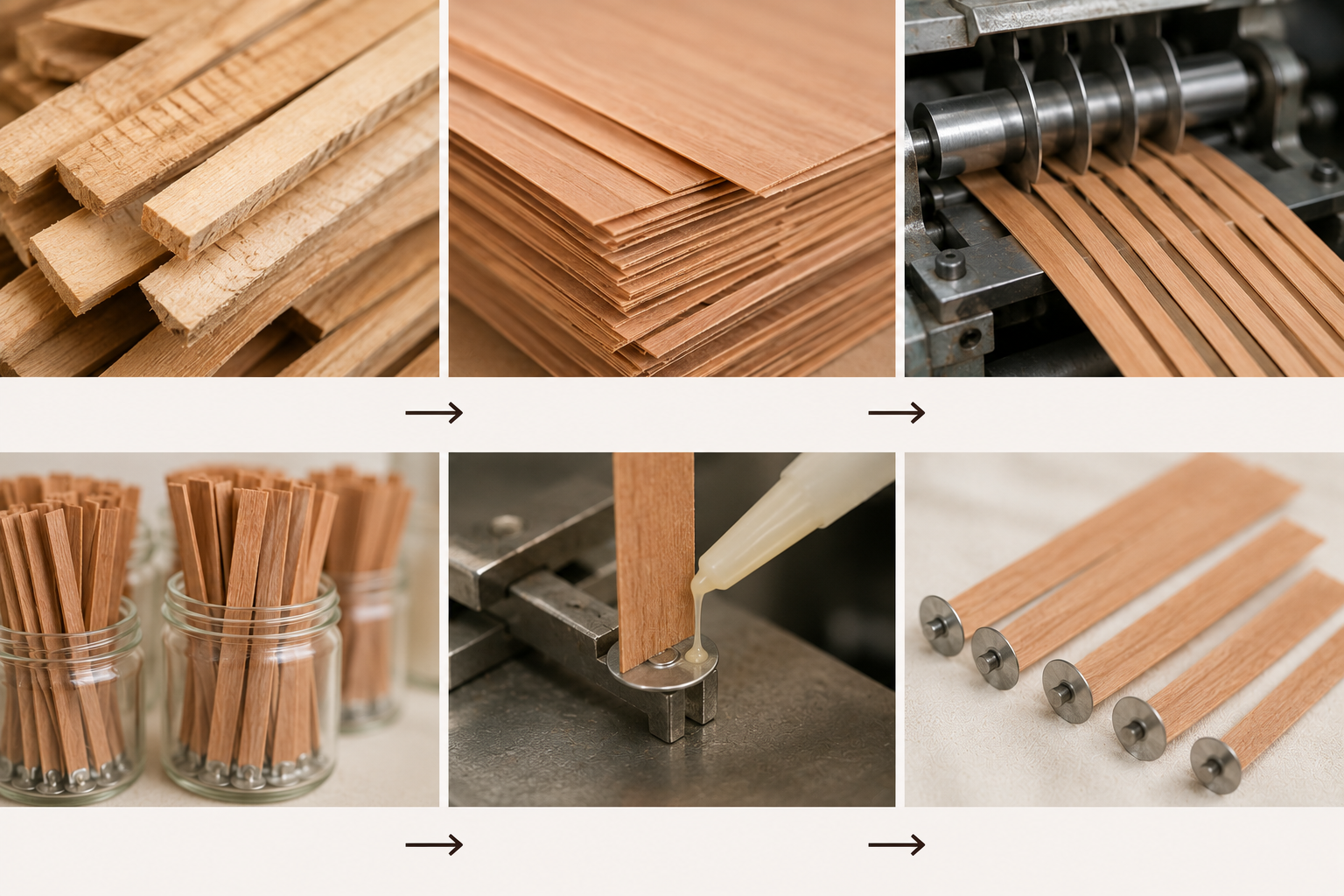
Wooden wicks have become increasingly popular because of their distinctive crackling sound. While many people enjoy that cozy fireplace effect, wooden wicks can be more sensitive to burn conditions.
Wooden wicks often require: perfect trimming, proper lighting technique, longer initial burns and more frequent maintenance. If the wick becomes too short or accumulates excess carbon, it may struggle to stay lit.
Bamboo pulp fiber wicks offer a more traditional flame while providing dependable performance and easier maintenance for everyday use.
Bamboo Pulp Fiber vs. Zinc-Core or Metal-Core Wicks
Some candle manufacturers still use core-supported wicks for certain applications. While modern metal-core wicks are generally considered safe when manufactured properly, many customers today prefer plant-based alternatives.
Bamboo pulp fiber wicks are: plant based, metal free and well suited for natural wax candles
This makes them a popular choice for brands focused on clean-burning, thoughtfully crafted products.
Why We Chose Bamboo Pulp Fiber Wicks
At Happy Little Heart, every ingredient is selected with intention. We pair our premium soy wax with bamboo pulp fiber wicks because they complement one another beautifully. Our goal is to create candles that offer:
A smooth, even burn
Consistent fragrance throughout the life of the candle
Minimal tunneling when burned properly
Long-lasting enjoyment
A refined, elegant flame
Trim Before Every Burn
Trim your wick to approximately ¼ inch before lighting.
This helps promote:
A steady flame
Less soot
Reduced mushrooming (carbon buildup at the tip)
A cleaner burn
Allow a Full Melt Pool
During the first burn, allow the melted wax to reach nearly the edge of the container.
For most 8 oz soy candles, this typically takes 2½ to 3 hours.
This helps prevent tunneling and establishes an even burn pattern for future use.
Avoid Burning Too Long
Although it can be tempting to leave a candle burning for hours, it's best to limit each burn to 2 hours.
Longer burns may produce an oversized flame and shorten the overall life of the wick.
Keep the Wick Centered
A centered wick allows the candle to melt evenly while protecting the glass from unnecessary heat.